Back
Fort Kochi — Complete Visitor Guide
Tourist Special Point

Fort Kochi — Complete Visitor Guide

2 min read · 02 Aug 2026

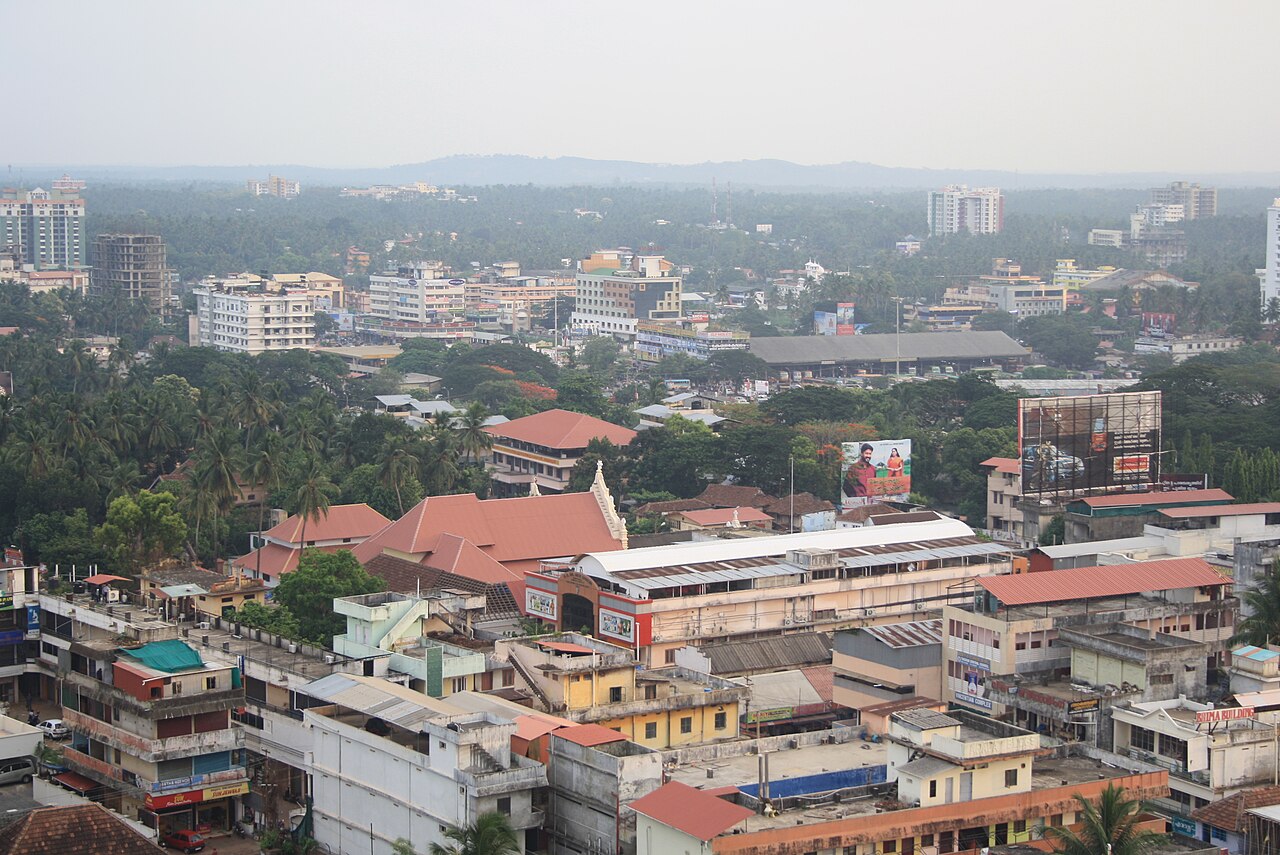
Fort Kochi is the historic heart of Kochi (Cochin), a neighborhood layered with Portuguese, Dutch, and British colonial history, and famous for its iconic Chinese fishing nets along the shore.

History

Fort Kochi has been a trading post since the early 16th century, successively controlled by the Portuguese, Dutch, and British — each leaving an imprint still visible in the area's architecture, churches, and street layout, making it one of India's most distinctly colonial-flavored old towns.

The Chinese Fishing Nets

Introduced centuries ago by traders (possibly from the court of Kublai Khan, per local tradition), these massive cantilevered fishing nets line the Fort Kochi shoreline and remain in active use today, operated by teams pulling on counterweighted ropes — one of the most photographed sights in Kerala.

What Else to See

St. Francis Church, one of the oldest European churches in India (where Vasco da Gama was originally buried), the Jew Town neighborhood with its historic Paradesi Synagogue, and a growing arts scene with galleries and cafes filling restored colonial buildings.

Entry Fees

Walking Fort Kochi's streets and viewing the fishing nets is free; individual sites like the synagogue may have a small entry fee.

Best Time to Visit

Late afternoon into evening, both for cooler temperatures and to see the fishing nets in action against the sunset.

How to Reach

Fort Kochi is a distinct area within greater Kochi, easily reached by taxi, auto-rickshaw, or ferry from the mainland.

Location Guide

From: Kochi, Kerala

Safety Guide

  • Verify the vehicle's registration and the owner's ID before starting your trip.
  • Share your trip details (vehicle number, driver contact) with a friend or family member.
  • Confirm the total fare, toll charges, and driver allowance in writing before you begin.
  • Check that seatbelts, a first-aid kit, and a spare tyre are present and in working condition.
  • Keep the owner's/driver's phone number saved and reachable throughout the journey.

Frequently Asked Questions

Large cantilevered fishing nets introduced centuries ago by traders, still in active daily use along the Fort Kochi shoreline, and one of the area's most iconic sights.

Yes — the area carries visible layers of Portuguese, Dutch, and British colonial influence, including one of the oldest European churches in India.

Most destinations in this region are best visited between October and March, when the weather is cool and comfortable for sightseeing. Summers (April-June) can be quite hot, and the monsoon (July-September) brings lush greenery but also slippery conditions at hill, fort, and cave sites — always check local conditions before you travel.

Kochi is accessible by road, with verified local vehicle owners on MeraYatri offering self-drive and with-driver cars, SUVs, and tempo travelers, as well as by regular public bus and train services to the nearest major town.

Yes — verified local owners list vehicles serving Kochi on MeraYatri. Check the "Vehicles" section on this page, or search for rides to Kochi directly on the site.

Yes, with reasonable precautions — see the Safety Guide section on this page for specific tips to keep in mind before and during your trip.

Related Travel Guides