Back
Meenakshi Amman Temple, Madurai — Complete Visitor Guide
Tourist Special Point

Meenakshi Amman Temple, Madurai — Complete Visitor Guide

2 min read · 02 Aug 2026

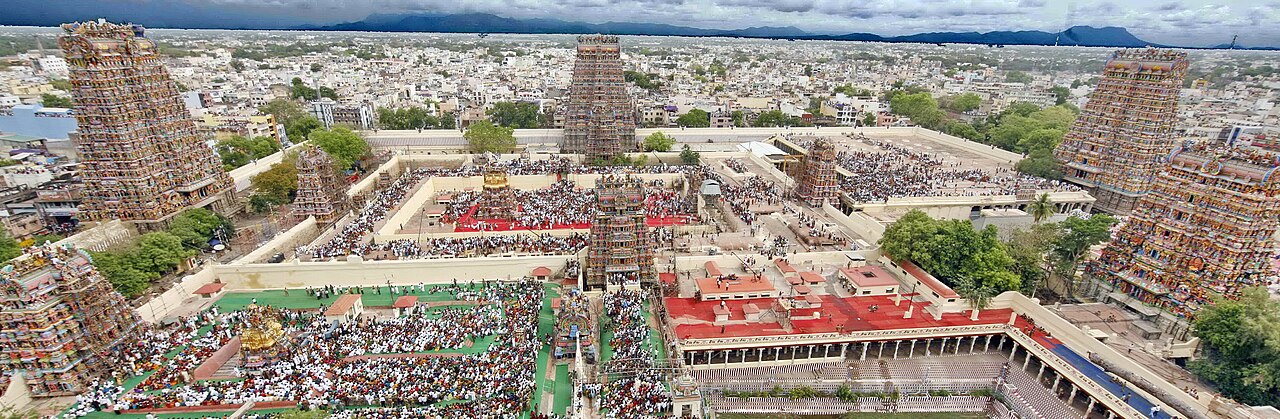
Meenakshi Amman Temple is one of India's most spectacular temples, a massive complex in the heart of Madurai renowned for its towering, intricately sculpted gopurams and status as a major center of Tamil culture and pilgrimage.

History

Dedicated to the goddess Meenakshi (a form of Parvati) and her consort Sundareswarar (Shiva), the temple has ancient origins but was largely rebuilt in its current form during the 16th and 17th centuries under the Nayak dynasty, particularly during the reign of Thirumalai Nayak.

What to See

The complex features 14 gopurams (gateway towers), the tallest rising over 170 feet, all covered in thousands of brightly painted sculptures depicting deities and mythological scenes. Inside, the Thousand Pillar Hall showcases exceptional stone carving, with many pillars carved to produce different musical notes when struck.

Entry Fees

Entry to the main temple is free; the Thousand Pillar Hall (now partly a museum) and certain sections charge a small fee, and a camera fee applies for photography.

Best Time to Visit

Early morning or evening for the temple's daily rituals and cooler temperatures; the annual Meenakshi Thirukalyanam festival (typically April-May) celebrating the divine wedding is Madurai's biggest celebration.

How to Reach

The temple sits in the center of Madurai, easily reached by taxi or auto-rickshaw from anywhere in the city.

Location Guide

From: Madurai, Tamil Nadu

Safety Guide

Security is strict with bag checks and restrictions on phones/cameras in some areas — check current rules before your visit, and dress modestly.

Frequently Asked Questions

Fourteen gateway towers, the tallest rising over 170 feet, all covered in thousands of colorfully painted sculptures.

Its exceptional stone carving, including pillars carved to produce different musical notes when struck — it now partly functions as a museum.

Most destinations in this region are best visited between October and March, when the weather is cool and comfortable for sightseeing. Summers (April-June) can be quite hot, and the monsoon (July-September) brings lush greenery but also slippery conditions at hill, fort, and cave sites — always check local conditions before you travel.

Madurai is accessible by road, with verified local vehicle owners on MeraYatri offering self-drive and with-driver cars, SUVs, and tempo travelers, as well as by regular public bus and train services to the nearest major town.

Yes — verified local owners list vehicles serving Madurai on MeraYatri. Check the "Vehicles" section on this page, or search for rides to Madurai directly on the site.

Yes, with reasonable precautions — see the Safety Guide section on this page for specific tips to keep in mind before and during your trip.

Related Travel Guides