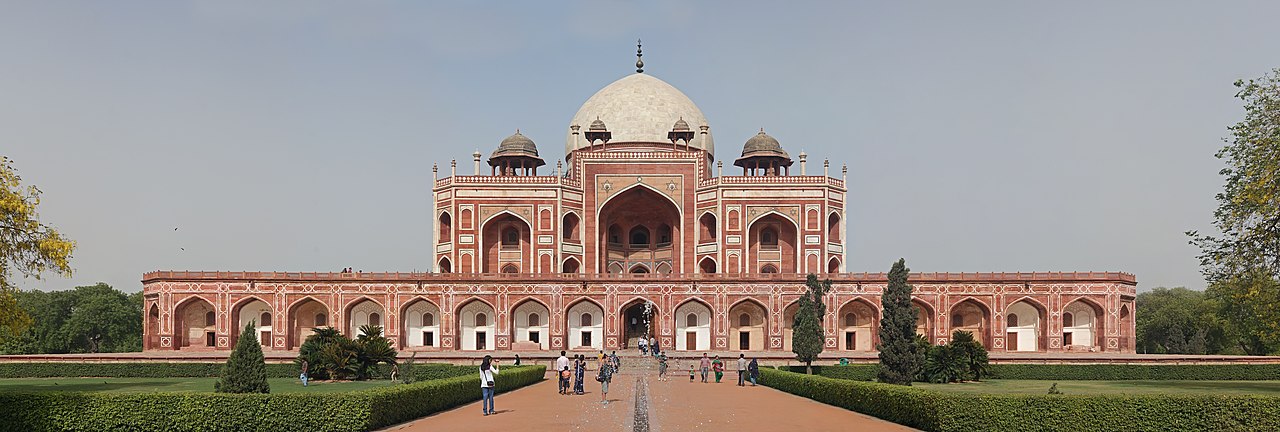
The Red Fort (Lal Qila) is Delhi's most iconic Mughal-era monument — a massive red sandstone fortress that served as the main residence of Mughal emperors for nearly 200 years and remains one of India's most visited historical sites.
History
Built by Emperor Shah Jahan (also the builder of the Taj Mahal) between 1638 and 1648, the fort became the seat of Mughal power when the capital shifted from Agra to Delhi. It gets its name from the massive red sandstone walls that enclose the complex, and was designated a UNESCO World Heritage Site in 2007.
What to See
Key highlights include the Lahori Gate (the main entrance and the spot from which India's Prime Minister addresses the nation every Independence Day), the Diwan-i-Aam (Hall of Public Audience), the Diwan-i-Khas (Hall of Private Audience, which once housed the legendary Peacock Throne), the Rang Mahal, Moti Masjid, and a museum tracing India's independence movement.
Independence Day Significance
Every 15 August, the Prime Minister hoists the national flag and delivers an address from the fort's ramparts — a tradition that has made the Red Fort as much a symbol of modern India as of its Mughal past.
How to Reach
The nearest metro stations are Lal Qila and Chandni Chowk on the Violet Line, both a short walk from the entrance.
Best Time to Visit
October to March offers the most comfortable weather; the fort is closed on Mondays. An evening light and sound show recounts the fort's history and is worth planning around.