Back
Agra Fort — Complete Visitor Guide
Tourist Special Point

Agra Fort — Complete Visitor Guide

2 min read · 31 Jul 2026

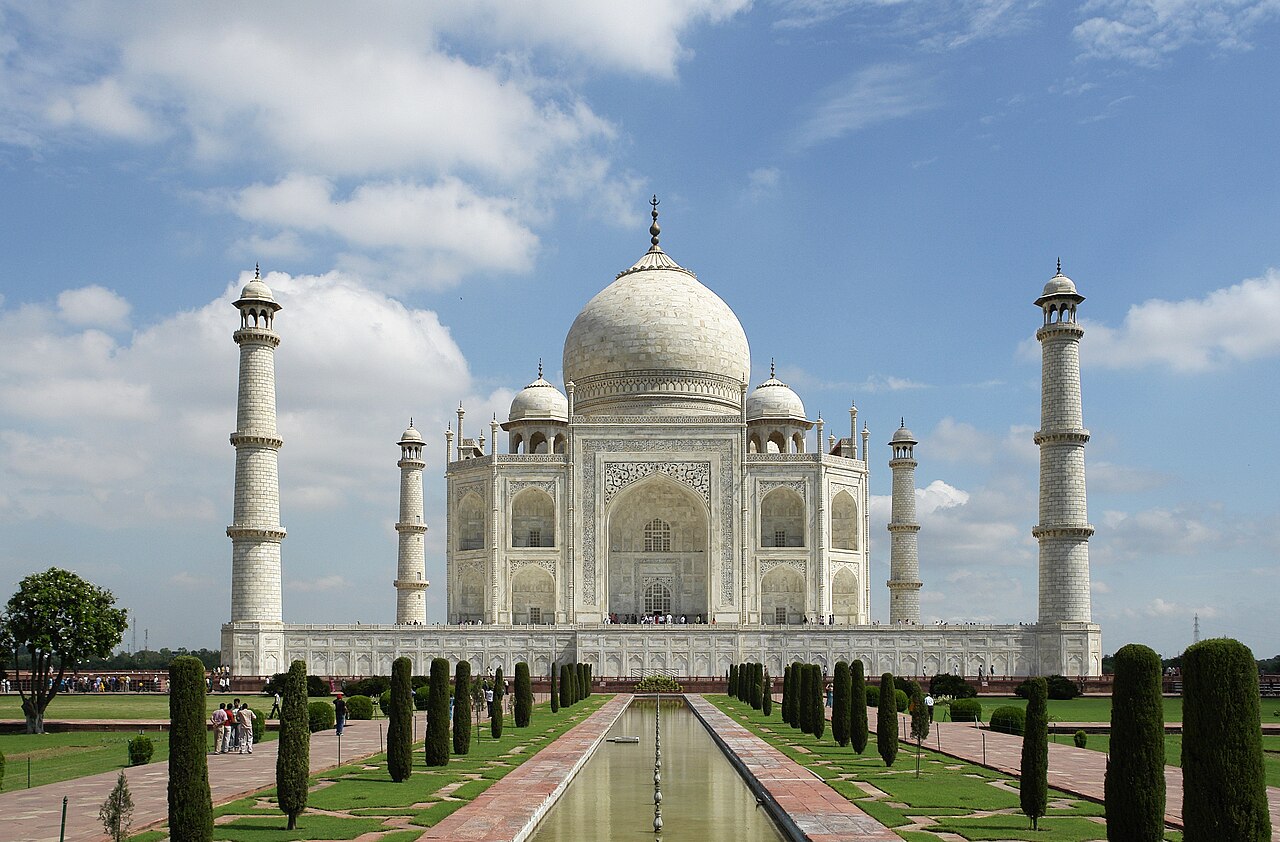
Agra Fort is a massive red sandstone Mughal fortress on the banks of the Yamuna River, and — alongside the Taj Mahal, visible from its walls — one of Agra's two UNESCO World Heritage Sites.

History

The fort was largely rebuilt in red sandstone starting in 1565 under Emperor Akbar, on the site of an earlier fortress, and served as the main residence of Mughal emperors until the capital shifted to Delhi. It holds a poignant historical footnote: Shah Jahan, builder of the Taj Mahal, was imprisoned here for the final years of his life by his own son, Aurangzeb, reportedly with a view of the Taj Mahal from his cell.

What to See

Highlights include the Jahangir Mahal (a palace built for Akbar's son), the Khas Mahal, and the Sheesh Mahal (Mirror Palace), along with the fort's massive double walls and moat. Not all of the fort's interior is open to the public, as parts remain in military use.

Entry Fees

A ticketed entry applies, with differential pricing for Indian and foreign visitors, similar to the Taj Mahal.

Best Time to Visit

Morning, both for cooler weather and clearer views across to the Taj Mahal from the fort's riverside walls.

How to Reach

Agra Fort is a short distance from the Taj Mahal, within the city and easily combined in the same day's sightseeing.

Location Guide

From: Agra, Uttar Pradesh

Safety Guide

  • Verify the vehicle's registration and the owner's ID before starting your trip.
  • Share your trip details (vehicle number, driver contact) with a friend or family member.
  • Confirm the total fare, toll charges, and driver allowance in writing before you begin.
  • Check that seatbelts, a first-aid kit, and a spare tyre are present and in working condition.
  • Keep the owner's/driver's phone number saved and reachable throughout the journey.

Frequently Asked Questions

Shah Jahan, who built the Taj Mahal, was later imprisoned in Agra Fort by his son Aurangzeb, reportedly able to see the Taj Mahal from his cell for the rest of his life.

Yes, the Taj Mahal is visible in the distance from parts of the fort's riverside walls.

Most destinations in this region are best visited between October and March, when the weather is cool and comfortable for sightseeing. Summers (April-June) can be quite hot, and the monsoon (July-September) brings lush greenery but also slippery conditions at hill, fort, and cave sites — always check local conditions before you travel.

Agra is accessible by road, with verified local vehicle owners on MeraYatri offering self-drive and with-driver cars, SUVs, and tempo travelers, as well as by regular public bus and train services to the nearest major town.

Yes — verified local owners list vehicles serving Agra on MeraYatri. Check the "Vehicles" section on this page, or search for rides to Agra directly on the site.

Yes, with reasonable precautions — see the Safety Guide section on this page for specific tips to keep in mind before and during your trip.

Related Travel Guides