Back
Chapora Fort, Goa — Complete Visitor Guide
Tourist Special Point

Chapora Fort, Goa — Complete Visitor Guide

1 min read · 23 Jul 2026

Chapora Fort, overlooking Vagator Beach, is one of Goa's most visited forts today — largely thanks to its role in a beloved Bollywood film.

History

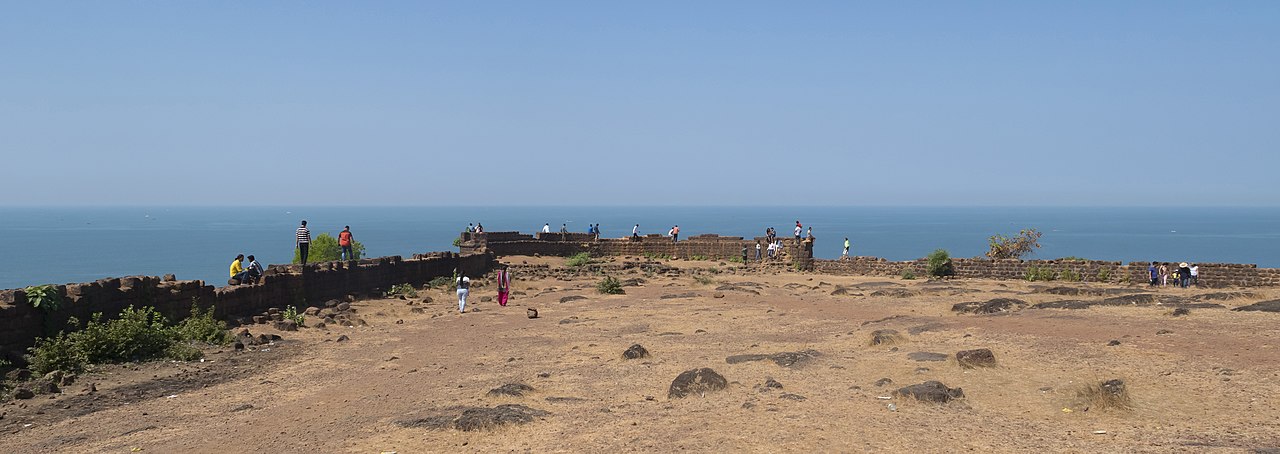
Built in 1717 by the Portuguese on the site of an earlier Adil Shahi structure, Chapora Fort was constructed to guard the mouth of the Chapora River against rival naval powers. Little remains of the fort's interior structures today — mostly its outer laterite walls.

Pop-Culture Fame

The fort gained enormous popularity after featuring in the 2001 Bollywood film "Dil Chahta Hai," and is still often referred to informally as the "Dil Chahta Hai fort" by visitors.

What to See

The main draw is the panoramic view from the fort walls over Vagator Beach and the Arabian Sea — a classic Goa sunset spot despite the fort's otherwise modest ruins.

Best Time to Visit

Late afternoon into evening for sunset views over Vagator Beach.

How to Reach

Chapora Fort is a short walk uphill from Vagator Beach in North Goa.

Location Guide

From: Vagator, Goa

Safety Guide

  • Verify the vehicle's registration and the owner's ID before starting your trip.
  • Share your trip details (vehicle number, driver contact) with a friend or family member.
  • Confirm the total fare, toll charges, and driver allowance in writing before you begin.
  • Check that seatbelts, a first-aid kit, and a spare tyre are present and in working condition.
  • Keep the owner's/driver's phone number saved and reachable throughout the journey.

Frequently Asked Questions

It featured prominently in the popular 2001 Bollywood film "Dil Chahta Hai," and the nickname has stuck with visitors since.

Mostly its panoramic sunset views over Vagator Beach — the fort's interior structures have mostly not survived, leaving its outer walls.

Most destinations in this region are best visited between October and March, when the weather is cool and comfortable for sightseeing. Summers (April-June) can be quite hot, and the monsoon (July-September) brings lush greenery but also slippery conditions at hill, fort, and cave sites — always check local conditions before you travel.

Vagator is accessible by road, with verified local vehicle owners on MeraYatri offering self-drive and with-driver cars, SUVs, and tempo travelers, as well as by regular public bus and train services to the nearest major town.

Yes — verified local owners list vehicles serving Vagator on MeraYatri. Check the "Vehicles" section on this page, or search for rides to Vagator directly on the site.

Yes, with reasonable precautions — see the Safety Guide section on this page for specific tips to keep in mind before and during your trip.

Related Travel Guides