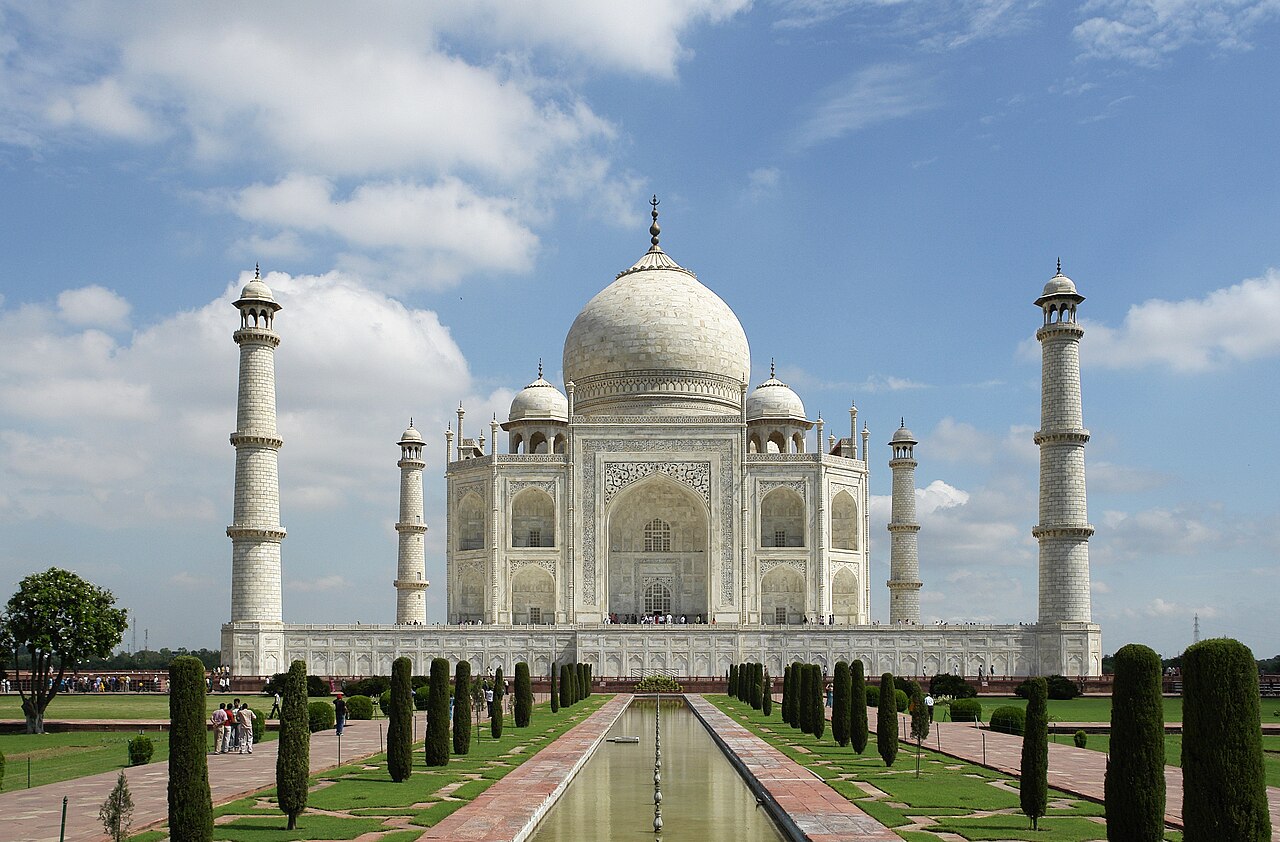
Fatehpur Sikri is a remarkably well-preserved Mughal city near Agra, built as an imperial capital and then abandoned within a few decades — making it one of India's most striking "ghost city" UNESCO World Heritage Sites.
History
Emperor Akbar built Fatehpur Sikri starting in 1571, intending it as his new capital, reportedly in gratitude to a Sufi saint who predicted the birth of his son. The city was abandoned within about 15 years, most likely due to water supply problems, leaving its palaces and mosques remarkably intact rather than built over by later development.
What to See
The complex includes the Jama Masjid mosque with its towering Buland Darwaza (Gate of Victory) — one of the largest gateways in the world — the tomb of Sufi saint Salim Chishti inside the mosque courtyard, and the Panch Mahal, a five-story palace pavilion, along with several other palace buildings in red sandstone.
Entry Fees
A ticketed entry applies for the palace complex; the Jama Masjid mosque itself is generally free to enter, though donations are customary at the saint's tomb.
Best Time to Visit
Morning, to avoid both the heat and the largest crowds, and to have more time afterward for Agra sightseeing the same day.
How to Reach
Fatehpur Sikri is about 40 km from Agra, commonly visited as a half-day trip combined with the city's other Mughal sites.