Back
Humayun's Tomb Delhi — Complete Visitor Guide
Tourist Special Point

Humayun's Tomb Delhi — Complete Visitor Guide

1 min read · 17 Jul 2026

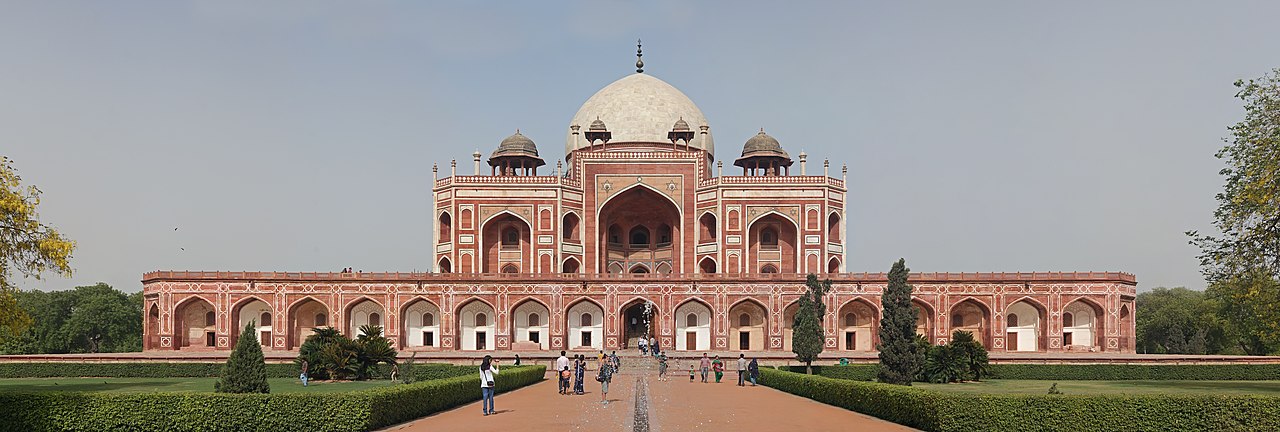
Humayun's Tomb is a UNESCO World Heritage Site and one of the most architecturally significant Mughal monuments in India, often described as the direct precursor to the Taj Mahal.

History

Built in 1570, the tomb was commissioned by Empress Bega Begum, widow of the Mughal emperor Humayun, and is considered the first grand garden-tomb built in the Indian subcontinent — a template that Mughal architecture would refine over the following century, culminating in the Taj Mahal.

What to See

The tomb combines red sandstone with white marble accents, set within a Persian-style charbagh (four-part) garden with water channels dividing the grounds symmetrically. The wider complex also includes several other tombs, notably that of the nobleman Isa Khan.

How to Reach

The complex sits near Nizamuddin, with JLN Stadium metro station on the Violet Line a short auto-rickshaw ride away.

Best Time to Visit

Cooler months (October-March) are most comfortable; early morning or late afternoon light is best for photographing the symmetry of the tomb and gardens.

Location Guide

From: New Delhi, Delhi

Safety Guide

  • Verify the vehicle's registration and the owner's ID before starting your trip.
  • Share your trip details (vehicle number, driver contact) with a friend or family member.
  • Confirm the total fare, toll charges, and driver allowance in writing before you begin.
  • Check that seatbelts, a first-aid kit, and a spare tyre are present and in working condition.
  • Keep the owner's/driver's phone number saved and reachable throughout the journey.

Frequently Asked Questions

It is considered the first grand Mughal garden-tomb in India and a direct architectural precursor to the Taj Mahal.

It was commissioned in 1570 by Empress Bega Begum, Humayun's widow, in his memory.

Most destinations in this region are best visited between October and March, when the weather is cool and comfortable for sightseeing. Summers (April-June) can be quite hot, and the monsoon (July-September) brings lush greenery but also slippery conditions at hill, fort, and cave sites — always check local conditions before you travel.

New Delhi is accessible by road, with verified local vehicle owners on MeraYatri offering self-drive and with-driver cars, SUVs, and tempo travelers, as well as by regular public bus and train services to the nearest major town.

Yes — verified local owners list vehicles serving New Delhi on MeraYatri. Check the "Vehicles" section on this page, or search for rides to New Delhi directly on the site.

Yes, with reasonable precautions — see the Safety Guide section on this page for specific tips to keep in mind before and during your trip.

Related Travel Guides